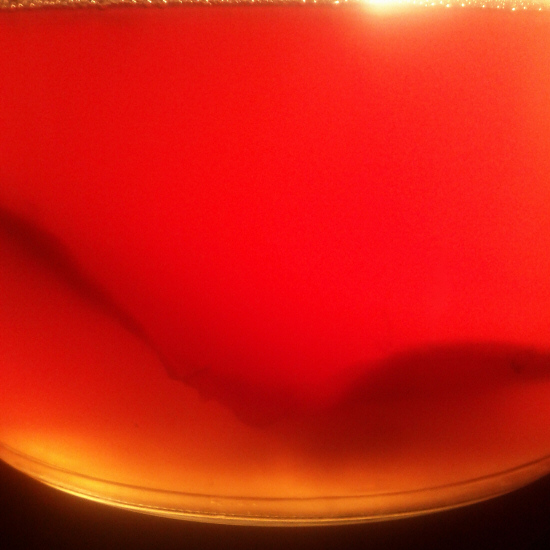
Thursday, February 28, 2013

The Friendship Bread of Teas

I found this online. My boss at work is on a cleanse. He has been drinking Kombacha Tea. I wanted to investigate it a bit more. I guess its a live culture like yeast or yogurts. You can make any tea that you want with it.
Things You'll Need:
3 quarts filtered water
1 cup sugar. Regular refined white sugar or organic cane sugar works fine. You can experiment with other fermentable sugars, like corn sugar. Many brewers prefer organic, if available. It is possible to use honey instead, but SCOBYs originally matured on sugar will not work well with honey, and the fermenting process may take much longer.
4 or 5 tea bags of organic Tea. Tea bags or loose leaf teas will work. Experiment! Many teas will work: green, black, echinacea, and lemon balm.
A kombucha "mushroom" mother, also called a SCOBY, for Symbiotic Culture of Bacteria and Yeast. If you can't find or don't want to buy a SCOBY, you can make one by buying commercial kombucha and leaving it out (covered, in a warm dark place as described below) for a couple weeks.
1/2 cup of already made Kombucha as a starter, or vinegar if you don't have that. This is to add acidity to the brew, so it's possible that something like pure cranberry juice might also work.
4 quart pyrex bowl, wide-mouth glass jar, or other container. A heavy, food-grade glass jar or large glass Pyrex container is your best bet. NOTE: If you use plastic, metal, ceramic or non-food grade glass containers to make Kombucha - they may (and will most likely) leach toxins, such as lead. If you use a glass container that is too thin, it may fracture when pressure builds inside as the kombucha effervesces.
Instructions:
Wash your hands very well (hot water and soap, for at least 30 seconds under running water). Use of non-latex gloves is also recommended, especially if touching the culture directly.

Fill up your pot with 3 liters (3.1 quarts) of water and put the stove to high. Boil water for at least 5 minutes to purify water, especially if your water supply is chlorinated.

Add 4 or 5 tea bags. According to taste, you may remove tea immediately after brewing, or leave them in for the next two steps.

Turn off heat and add 1 cup sugar (for about three liters of water). Sugar will start to caramelize if water continues to boil, and you don't want that to happen.

Cover and let tea sit until it is room temperature, around 75ºF/24ºC will do. It will seem to take a long time to cool, but adding the cultures when it is too hot will kill them.

Alternatively, you can boil 3 quarters of filtered water. Add the sugar and simmer until all the sugar is dissolved. Then, remove the pot from the heat and add the tea bags. Let them steep for as long as it takes for the water to cool - approximately two hours. Remove the tea bags.

While it is cooling, pull out your pyrex bowl, wide-mouthed glass jar, or other container and wash it well in the sink with very hot water, rinsing thoroughly. If you don't have much extra water for cleaning and rinsing, put 2 drops of iodine into the bowl, add a bunch of water, and swirl it all around to sanitize. Rinse out bowl, cover, and keep waiting.

When the tea is cool, pour it into the bowl (or whatever container you are using) and add the starter tea, which should constitute about 10% of the liquid. Using about a 1/4 cup of vinegar per gallon of tea also works, it tastes just a bit different, though.

Gently put the SCOBY into the tea, cover the top of the container with the cloth, and secure it tightly with rubber band. If you are using a bowl, you can place a piece of plastic wrap with holes punched in the top over the bowl.

Now place the bowl, covered, in a warm dark place where it won't be disturbed. Be sure that insects and dirt cannot fall into the mixture or it will contaminate it. Temperature should be consistently at least 21ºC or 70ºF. 30ºC or about 86ºF is best if you can manage. Lower temperatures will make it grow slowly, but below 70ºF makes it more likely that unwanted organisms will start growing too.

Wait about a week. During this time, you can check on the tea periodically if you like.


Here's what to look for:

The culture will sink or float or do something in between, it doesn't matter. You should see, at some point, a new layer of culture growing on the top. Eventually, it will likely form a film covering the whole top of the tea. It may look strange and discolored, but don't worry, it's probably not moldy. Mold that grows on kombucha looks like the mold that grows on bread - fuzz and all. If it's turning black, discard the tea and get a new cake.

When the tea starts to get smelly like vinegar, you can taste it. The best way to pull a sample is with a straw. Don't drink directly from the straw, as backwash may contaminate the tea. Dip the straw about halfway into the tea, cover the end with your finger, pull the straw out and drink the liquid inside.

Brewed kombucha looks fizzy and tastes sour. If you can still taste the tea, it's not done yet. If it tastes right, then you're ready for the next step.

If not, just keep waiting and sampling every couple of days until it is ready. Don't be impatient. If you move on too soon, it will taste funny, or perhaps too sweet.

The tea is ready when the mushroom has grown a second spongy pancake. Use that to make more tea, or give it away to friends.
When the tea is ready:


Make a new batch of regular tea the same way you did before (steps 1 thru 7, above). Allow to cool.

Bring the container of newly fermented tea into the kitchen, take plastic wrap or cloth off top.

With clean hands (and non-latex gloves if you have them), gently remove mama and baby cultures and set them on a clean plate. Note that they may be stuck together. Pour a little of the kombucha on them to keep them protected.

Using a funnel, pour your finished, newly fermented tea into storage container(s). Fill it all the way to the top. If you don't it will take forever to get fizzy. If there isn't enough, you can either get smaller containers or fill the rest with regular tea. Only do this if there is only a slight gap, though, or else you risk watering down the tea. Another option is to fill it with juice to give it flavor. Fresh pressed is best, of course, but regular works too. Only do this after it's in the container, though. You don't want to contaminate your next batch, since you will...

Leave about 10% of old tea in the glass jar as starter tea. This keeps the pH low to prevent mold and things from growing while the tea is getting started. This insures that the fresh tea solution is acidic enough to combat any foreign molds or yeast.

Pour the new tea in, and put the culture back in, cover, etc. You may use each layer of culture to make a new batch of tea; some recommend using the new layer of culture and discarding the old one. It is not necessary to put both layers of culture back into a single new batch; one will suffice.

Cap your jug or bottles of finished kombucha tightly and let sit for about 2 - 5 days at room temperature to get fizzy.

Refrigerate. Kombucha is best enjoyed cold.

Kombucha watching

Kombucha tea mother (SCOBY)
Not much to look at, right? Wrong! I spent a good FIVE MINUTES staring at the kombucha tea mother, gently swirling and undulating right after being placed in its tea-and-sugar bath, the watching-chickens effect. I like the look of the mother, although some people find the whole thing kinda…icky. If you’re not familiar, this is a sparkling drink, tartly acidic and slightly sweet, made by floating the mother—it’s also called a SCOBY, symbiotic colony of bacteria and yeast—in a solution of tea (black or green or both) and sugar. Let it ferment for around a week and a fizzy beverage is the result. It’s quite impressive. Not surprising, there are all sorts of magical health benefits ascribed to kombucha tea, and from the bit of reading I’ve done, none of it is really “evidence-based,” to use the popular medical description for stuff that’s scientifically proven, whatever exactly that means. In any case, nobody really says it’s BAD for you, maybe it is magical, and I find it…refreshing.
Making it is easy: 4-5 tea bags in some water for a few minutes, top up the hot tea with cold water to about 3/4 gallon (around 3 liters) so it’s all cooled down, then plunk in your SCOBY—any size will do, it grows!—along with a cup or two of kombucha tea (you store the mother in the tea), and you’re done. Cover with a clean cloth to let in air but not dust, stash in a warm, dark place, and taste test in five days or so: if it’s too sweet, leave longer, if it’s too tart (the main bacterium makes acetic acid, which is basically vinegar), well, test earlier next time. It’s all pretty loose and easy, and each batch you get a new, extra mother that you can pass on. Do a search and you’ll find lots of details.
My first mother I was given in a jam jar at a raw food talk, and I made kombucha steadily for a couple of years, for no reason other than that I like it (many people refuse to even taste it?!)—after a couple years off, I’m back in production. Yet another thing to grow!

Tuesday, February 26, 2013

Asian tea gains ground in West

Kombucha created by harvesting yeast and bacteria colony


Asian tea gains ground in West. Rob Blom of Grimsby displays a jar containing a kombucha "mother", a yeast and bacteria colony used in the creation of a traditional Chinese and Russian drink that is growing in popularity among the health conscious in North America. Pieter van Hiel/Staff Photo
The kombucha mother floats in a large glass jar, suspended in an amber fluid that renders it cloudy and indistinct. From various angles it resembles a mushroom, or perhaps a pickled science experiment floating in formaldehyde. It certain does not look like something one would drink, never mind drink for health reasons. And yet, this odd alchemy of oolong and bacteria produces a distinct effervescent tea, a beverage that generations of Russian grandmothers and Manchurian doctors swear is good for you. Kombucha's healthy reputation has spread to the west, and it is now possible to purchase bottled examples at many health stores. Purists, however, swear by the homemade variety. One such purist is Grimsby resident Rob Blom. Blom, 28, has been making and drinking his own kombucha for three years. He first learned of kombucha five years ago, after first embracing vegetarianism and later, veganism. Limited his intake of North America's primary source of protein meant he was searching for diet alternatives of all kinds.
"I found out about this simply buy going vegan. Once you go vegan you really have to struggle a little bit in finding things to eat and drink. But, a lot of doors opened to me. I started eat more foods than when I was a meat eater, simply because I no longer have meat as a primary dish. You have a huge door of potentiality," he said. "(Kombucha drinks) have been very popular in the health movement for the last five or six years…. especially for vegetarians and vegans looking for an alternative to yoghurt."
Kombucha is created through a fermentation process that utilizes a "kombucha mother," a dense mat of bacteria and yeast grows in a mixture of tea and water. This mat of bacteria is scientifically known as a zoogleal or SCOBY (symbiotic colony of bacteria and yeast). When fully grown the kombucha mother floats like a cap atop the solution of sweet tea. As it grows, it feeds on the sugar, changing the tea into kombucha through the natural alchemy of fermenationt. While all kombucha shares some qualities, such as the acidic flavour, the actual taste and colour can vary widely depending on the tea used and sugar used to start the growth of the kombucha mother.
"Once you have the mother, you take any traditional tea, generally with caffeine. I like to use oolong or green tea. Other people use black tea. This creates different flavours. Then you add a sugar, nothing artificial. The sugar I like is brown sugar, cane sugar or palm sugar, but some people use white sugar," said Blom. "The mother grows to various sizes, depending on the length of fermentation and the amount of sugar. Some people who don't like acidic drinks only ferment it for a week, so it has a half sweet, half acidic taste. Putting the mother in the fridge causes it to become dormant and cease growing."
Some health food enthusiasts make remarkable, if sometimes vague, claims for kombucha. They say it detoxifies the body while "energizing" the mind and spirit. While few of these health claims have been proven by scientific research, it is known that kombucha contains gluaric acid, which can help with liver functions. Blom himself is no stranger to science - he has one degree in physics and another in education - but his view of the world is leavened with ideas more commonly attributed to the mystic. He drinks kombucha as much from a desire to feel more connected to the process of food and drink as for the health benefits.
"It has a lot of good yeast, good acetic, polyphenols and B-vitamins and perhaps probiotics. Generally, anything fermented is quite good," he said. "But the health benefits, for me, are more to do with regaining your own connection to food. What it has the potential to do is create a foundation for you to be really be more connected with your food. It's a whole process of kombucha, you really get into the work. You spend time with the kombucha in the kitchen, it's a very meditative experience and the community is really sharing. It's those benefits that help you to be more mindful."
One of the attractions of kombucha is how easy it is to create and customize. In addition to selecting different varieties of tea, some also choose to double ferment their tea, or infuse it with fruit or spices, such as cinnamon. However, for Blom, the real attraction is the communal feeling it encourages. The kombucha mother grows and buds and produces "daughters," which may be use to start new batches, in a never-ending cycle.
"You can create your own mother through a drink, but the easiest way is to find a person with a mother. The mother produces a daughter, which becomes a new mother. That's what's really nice about the drink for me, because there is this sharing that goes on as well. The more you use it, the more you can produce, and the more you produce the more mothers you have, and the more mothers you have, the more you can give away," said Blom. "It's an inexhaustible supply."

Kombucha Tea: Fabulous or Just a Fad?

+ enlarge
 
Don’t get me wrong—I’m into health food. I explore the depths of organic markets, I regularly read books about natural eating, and I’ve even converted my family members and friends to organic shopping. But recently, I’ve seen a new product crop up on my health-food radar—and, frankly, I’m sort of confused. It’s bubbly, it’s sort of bitter, and it’s being heralded as the latest magic bullet for our health. It’s Kombucha. (That’s a type of tea, by the way.)

After grimacing through a free sample, I got to wondering if braving the taste was really all it’s cracked up to be. According to the woman who handed me the sample, the tea has the power to make me better looking, help me live longer, and even make my armpits smell better. Clearly, I needed a little more information, with a little less spin.

What Is It?
Kombucha is a “living” health drink. The term refers to the drink’s main ingredients: fermented tea and Kombucha cultures. The tea is alive in the same way yogurt or live yeast is, with active cultures that make positive changes in our bodies by eliminating harmful bacteria. I was into this idea at the sample counter … until I tossed one back. The taste is what I would imagine a cross between soda water and apple cider to be—sort of sour, with a hint of sweetness. Of course, the taste also varies depending on whatever flavoring is added to the base ingredients—I later tried a ginger-tinged Kombucha and found it much more enjoyable.

Where Does It Come From?
Kombucha first caught my eye because of its old and fabled origins: the drink has been brewed for thousands of years in the Far East. I figure if something’s been around that long, it’s got to be doing something right. The earliest recorded use of Kombucha was in China around 250 BC—it was called “the tea of immortality.” Legend has it that the word Kombucha came from Japan around 400 AD, when a physician named Kombu served it to the emperor: the doctor’s name was then combined with “cha,” meaning tea. Since the turn of the millennium, and especially over the last few years, Kombucha has become almost mainstream—it’s even available at a handful of nonorganic grocery stores.

How Is It Made?
Although it looks like one, the Kombucha culture is not a mushroom—it’s a colony of bacteria and yeast that looks like a beige or white rubbery pancake. The culture is added to sweetened tea and then fermented for seven to ten days. The resulting liquid contains vinegar, B vitamins, and a number of other chemical compounds. The bacteria that crop up are the friendly kind that we hear about in yogurt commercials, and they help with digestion and internal cleansing. Wouldn’t fermenting the tea make alcohol? Yes, but the bacteria in the culture promptly turn it into organic acids—so driving is perfectly safe after you down a bottle of Kombucha.

Likely because of its similarity to vinegar (in terms of its taste and brewing process), Kombucha is often brewed with some infusion of tea, herbs, fruit, juice, and other flavorful ingredients after the fermenting ends, then packaged in pretty bottles and shipped off to various retail outlets.

What Flavors Does It Come In?
Kombucha’s come a long way in terms of its mass-market appeal over the last few years. All it takes is a gander down the cold-drinks aisle at Whole Foods to see that it’s suddenly become available in a variety of colors and flavors—from citrus and mango to red clover and juniper berry. Consumers can also choose from types of tea, like green, black, white, or oolong, and types of sweetener. Something to be aware of is that Kombucha, since it’s made with sugar, does have calories; the bottles I picked up packed around fifty.

How Does It Help?
Kombucha is being praised for doing everything from spurring weight loss to improving circulation to curing cancer. Unfortunately, these claims lack the support of medical research. But just because this tea may not save lives doesn’t mean its many drinkers aren’t getting a boost from it in other ways. “I switched from drinking coffee to a Kombucha every morning,” says Amber James, a fan of the tea. “Once I got over the withdrawals, I started feeling way more alert and energized.” Other reported benefits include digestive regulation, increased alertness, and regulated appetite.

The drink also contains probiotics, or live bacteria, that positively alter the balance in our intestines. Scientific research shows that high concentrations thereof can aid digestion and eliminate harmful bacteria, according to research published in the Journal of Molecular Systems Biology, the Mayo Clinic, and many other scientific studies.

But what about studies on Kombucha? As I would with any supplement I was thinking of taking, I tried to find studies backing up the tea’s health claims. (You were already planning on doing that, right?) Kombucha’s selling points are based on a combination of personal reports and animal studies—as yet, no major medical journal has reported an actual human trial that substantiates the slew of purported health claims. Also, some medical professionals (including the FDA) have expressed concerns that home-brewed Kombucha commonly poses health risks due to contamination and improper brewing.

Still, there’s something to be said for the volume of personal testaments to the ways in which Kombucha has improved people’s health, so sipping it in conjunction with making other wise choices to promote your physical well-being can be a positive lifestyle addition. If you like the taste, try it out—while it’s not some magic potion that will allow you to live for a hundred years, it can’t hurt, either (as long as it’s not home-brewed).

Thursday, February 7, 2013

Of the many healing qualities of Kombucha Tea

Can kombucha tea help prevent cold or flu infection?


Do the probiotic and antimicrobial properties of cultured kombucha tea help the body fight viruses or bacterial infections?

Sara McGrath
on Jan 7, 2013
 
 
Kombucha Wonder Drink - Flickr: theimpulsivebuy (http://www.flickr.com/photos/theimpulsivebuy/3976689884/)
Kombucha tea contains probiotic ingredients and has antimicrobial properties. That means it has the power to fight viruses and bacteria. Does that mean kombucha can help the body fight the common cold or flu (influenza) virus? Research and anecdotal evidence suggest that it does, especially when made with green tea.
Kombucha has disease-fighting power
  • In Kombucha: The Miracle Fungus, Harald Tietze states that "Kombucha has the effect of being a natural antibiotic."
  • From Kombucha.org: "The resulting beverage [kombucha tea] contains dozens of elements, many of which are known to promote healing for a variety of conditions."
  • ChristianMommyBlogger.com includes green tea kombucha in her "Five Flu-Fighting Foods," due to the catechins in green tea, "more powerful than vitamins C and E..."
  • In "Does kombucha provide immunity?" Dr. Arianna Estelle-Symons states: "Green Tea, which has the most readily available polyphenols has been known for centuries to have some anti-microbial properties. People who drink a lot of Green Tea don’t suffer from the 100 or more rhinoviruses as much as people who do not drink Green Tea."
  • In 1996 and again 1998, Harmonic Harvest sent out a "Kombucha Questionnaire." Among the health benefits reported by Kombucha drinkers around the world, over 80% reported an increased immunity to colds and flu.
Green tea enhances kombucha's healing and protective effects
  • Polyphenols. Green tea polyphenols achieve antiviral effects by interfering with the ability of viruses, including influenza, to adhere to cells.
  • Catechins. "Green tea is the best food source of a group called catechins. In test tubes, catechins are more powerful than vitamins C and E in halting oxidative damage to cells and appear to have other disease-fighting properties." - "Benefits of Drinking Green Tea," harvard.edu.
More ways to fight cold and flu naturally
  • Heat up the body with warm beverages (chicken soup, hot tea).
  • Protect the nose and mouth to prevent flu viruses from entering and proliferating within the body.
  • Salt water gargle.
  • Keep hands away from face (wash them often anyway.)
  • Eat immune boosting foods.
Reportedly, drinking kombucha tea can aid in healing from bacterial (colds) or viral (flu) infection, as well as preventing infection by promoting balance in the body. Green tea, with its polyphenols and catechins, provides an extra boost of healing power to kombucha.
Copyright Sara McGrath


Wednesday, January 6, 2010

Holistic Products

Kombucha 2000

kombuchaThere’s a fungus among us! Kombucha, a fermented tea that originated in China, has been praised for thousands of years for its extraordinary health benefits. For me, there was only one problem: I couldn’t stand the taste.
That was until Kombucha 2000. The fermented cider-like tang was smooth and not overbearing like other kombuchas. Pleasantly surprised, I could now actually enjoy the healing properties of this energizing beverage.

Organic, raw, freshly harvested and non-alcoholic, Kombucha 2000 comes in an amber glass bottle that protects the precious tonic inside from UV contamination. I say precious because this elixir may help with liver detoxification, immune system building, weight loss, energy boosts, digestion, elimination, and restoring healthy flora to the gastrointestinal tract. It contains Vitamins C and B-Complex, live enzymes, glucuronic acid, (a natural detoxifier), and other vital acids.

People all over the world have reported amazing results from the regular consumption of kombucha. Patients with AIDS have experienced a rise in T cells. Senior citizens have been awestruck as their hair turned from grey back to its original color. Athletes across the globe have used it to increase energy. Kombucha has also been useful with tendonitis, arthritis, multiple sclerosis, kidney stones, colitis, asthma, bronchitis, gout and allergies. It can also slow aging, reduce wrinkles, improve memory, reduce fat, clear acne, increase sex drive and help with symptoms of PMS. Sound like a wonder tonic? That’s why people have been swearing by it for thousands of years.

Some people take two to four ounces before a meal. Others prefer their kombucha on an empty stomach in the morning, while some swig it down in higher amounts throughout the day. I like to enjoy mine before a meal because its low pH level of three improves digestion and the absorption of nutrients. The result? More mental and physical energy.

And did I mention that Kombucha 2000 tastes incredible, especially when compared to other brands? Flavors such as apple, blueberry, cherry, strawberry, ginger, mango, peach and papaya are sure to excite your taste buds.

Health-oriented businesses are discovering Kombucha 2000 every day and stocking up for conscious consumers who demand it. Now available in countless locations in Los Angeles and Orange County, Kombucha 2000 has recently expanded to San Diego and can now be found at: Ocean Beach Peoples Organic Foods Market, Stephanie’s Bakery, Stern’s Gym, Filter Coffeehouse, Windmill Farms and progressive restaurants such as Café India, Extreme Pizza on Rosecrans, Peace Pies, Rancho’s, Veg-N-Out, The Loving Hut, and Dubai.

Kombucha 2000 is taking the health industry by storm and media giants like Oprah, CNN, Dateline and 20/20 have taken notice. If you have a health-related business, you can carry Kombucha 2000 to enhance your clients’ health and your profitability. If you have an entrepreneurial spirit, marketing reps are needed to increase distribution nationwide. If you are a consumer on the hunt for an amazing health tonic, this is the drink for you.

整体产品

红茶菌200

有一个我们中间木耳呢!红茶菌,一种发酵茶,起源于中国,赞扬了数千年之久的非凡健康益处。对我来说,只有一个问题:我无法忍受的味道。

这是2000年到红茶菌。苹果酒发酵堂一样,进行得顺利,没有像其他kombuchas咄咄逼人。惊喜,我现在可以真正享受这个充满活力饮料的治疗作用。

有机,原材料,新鲜收获和非酒精,2000年1红茶菌琥珀色玻璃瓶,保护珍贵的补品紫外线的污染来自内部。我这样说,宝贵的,因为这灵丹妙药可以帮助肝脏解毒,免疫系统的建设,对胃肠道减肥,能量秘,消化,消除,并恢复健康的植物。它含有维生素C和维生素B族,活酶,葡萄糖醛酸,(自然排毒),和其他重要氨基酸。

世界各地的人们报告从红茶菌经常食用惊人的结果。艾滋病病人在经历了T细胞增加。长者震撼了他们的头发灰回到其原来的颜色变成。全球各地的运动员用它来增加能源。红茶菌也有用肌腱炎,关节炎,多发性硬化症,肾结石,结肠炎,哮喘,支气管炎,痛风和过敏症。它也可以减缓衰老,减少皱纹,增强记忆力,减少脂肪,清除痤疮,提高性欲,帮助经前期综合征的症状。像一个奇迹补品声音?这就是为什么人们被这宣誓几千年。

有些人在饭前3时58分盎司。其他人则倾向于在一个早上空腹的红茶菌,而一些痛饮下来的全日高的数额。我喜欢享受餐前地雷,因为它的pH值低3个水平提高消化和营养物质的吸收。结果如何呢?更多的精神和体力。

和我提到2000年口味红茶菌难以置信,特别是相对于其他品牌?如苹果,蓝莓,樱桃,草莓,生姜,芒果,桃子,木瓜香精肯定会激发你的味蕾。

健康为导向的业务是2000年发现红茶菌每天放养是对谁的需求意识的消费者了。目前在洛杉矶和橙县,红茶菌2000无数的地区使用最近已扩大到圣地亚哥,现在可以找到:海洋沙滩人民有机食品市场,斯蒂芬妮的面包店,斯特恩的健身房,过滤咖啡屋,风车农场和进步的餐馆,如咖啡印度,极端的罗斯克兰斯,和平饼,牧场的,吃素氮输出,可爱的必胜客比萨饼和迪拜。

红茶菌2000年席卷像奥普拉,有线电视新闻网,20/20日界线和媒体巨头的健康产业已经注意到了。如果你有一个健康有关的业务,你可以随身携带红茶菌2000年来增强您的客户的健康和你的盈利能力。如果您有创业精神,市场销售代表都需要增加发行全国。如果你是一个关于一个惊人的健康补品狩猎消费者,这是你喝。

ผลิตภัณฑ์ Holistic

Kombucha 2,00

มี เชื้อรา ใน หมู่ พวก เรา เป็น! Kombucha เป็น ชา หมัก ดอง ที่ เกิด ใน ประเทศ จีน ได้ รับ การ ชมเชย สำหรับ หลาย พัน ปี เพื่อ ประโยชน์ สุขภาพ พิเศษ ของ. สำหรับ ฉัน มี เพียง หนึ่ง ปัญหา: ฉัน ไม่ สามารถ ยืน ได้ ลิ้ม รส.

ที่ จน Kombucha 2000. เหล้า แอปเปิล ดอง เหมือน หมาย ได้ เรียบ และ ไม่ เอาแต่ใจ เหมือน kombuchas อื่น ๆ. ประหลาด ใจ เป็นสุข ฉัน ได้ ตอน นี้ จริง สนุก บำบัด คุณสมบัติ ของ เครื่อง ดื่ม energizing นี้.

อินทรีย์ ดิบ เก็บเกี่ยว เอี่ยม และ ไม่ มึนเมา, Kombucha 2,000 มา ใน ขวด แก้ว สี น้ำตาล เหลือง ที่ ปกป้อง โทนิค ค่า ภายใน จาก การ ป น เปื้อน UV. ฉัน ว่า รัก เพราะ elixir นี้ อาจ ช่วย detoxification ตับ สร้าง ระบบ ภูมิคุ้มกัน การ สูญ เสีย น้ำหนัก boosts พลังงาน ย่อย, การ ขจัด และ การ คืน พืช สุขภาพ ที่ บริเวณ ทาง เดิน อาหาร. มัน มี วิตามิน C และ B-Complex, เอนไซม์ สดๆ glucuronic acid (detoxifier ธรรมชาติ) และ กรด สำคัญ อื่น ๆ.

คน ทั่ว โลก ได้ รายงาน ผล ที่ น่า ตื่นตาตื่นใจ จาก การ บริโภค ปกติ ของ kombucha. ผู้ ป่วย เอดส์ มี ประสบการณ์ ขึ้น ใน เซลล์ T. ผู้ สูงอายุ ได้ รับ การ ประหม่า เป็น ผม ของ พวก เขา หัน กลับ จาก สี เทา สี เดิม. นักกีฬา ทั่ว โลก ได้ ใช้ เพื่อ เพิ่ม พลังงาน. Kombucha ยัง ได้ รับ ประโยชน์ ด้วย tendonitis, โรค ไขข้อ, เส้น โลหิต ตีบ หลาย หิน ไต, อาการ ลำไส้ใหญ่ บวม หอบหืด, หลอดลม อักเสบ, เกาต์ และ แพ. ยัง สามารถ ชะลอ aging ลด wrinkles, เพิ่ม หน่วย ความ จำ ลด ไขมัน สิว ล้าง ได ร ฟ์ เพศ เพิ่ม ขึ้น และ ช่วย ให้ มี อาการ ของ PMS. เสียง เหมือน ยา ชู กำลัง สงสัย หรือ ไม่ที่ ทำไม คน ได้ สาบาน ได้ โดย สำหรับ พัน ๆ ปี.

บาง คน ใช้ เวลา สอง ถึง สี่ ออนซ์ ก่อน อาหาร. คน อื่น ชอบ kombucha ของ พวก เขา ใน ขณะ ท้อง ว่าง ใน ช่วง เช้า ขณะ ที่ swig บาง ลง ใน ปริมาณ ที่ สูง ขึ้น ตลอด ทั้ง วัน. ฉัน ต้องการ จะ สนุก กับ ฉัน ก่อน อาหาร เนื่องจาก ระดับ pH ของ ต่ำ สาม ช่วย เพิ่ม การ ย่อย และ ดูด ซึม สาร อาหาร. ผล? พลังงาน More จิต และ กาย.

ฉัน ไม่ และ ระบุ ว่า Kombucha 2,000 รสนิยม เหลือเชื่อ เมื่อ เทียบ โดย เฉพาะ อย่าง ยิ่ง เมื่อ ยี่ห้อ อื่น ๆรส ชาติ เช่น แอ ป เปิ้ ล, บ ลู เบอร์ รี่, เชอ ร์ รี่, สต รอ เบอร์ รี่, ขิง, มะม่วง, พีช และ มะละกอ จะ ตรวจ สอบ ว่า ตื่นเต้น buds รส ของ คุณ.

สุขภาพ เชิง ธุรกิจ จะ พบ Kombucha 2,000 ทุก วัน และ ถุงเท้า ยาว ขึ้น สำหรับ ผู้ บริโภค ที่ ต้องการ ได้ สติ. สามารถ ใช้ได้ ใน สถาน อนันต์ ใน Los Angeles และ Orange County, Kombucha 2000 มี ขยาย ตัว เมื่อ เร็ว ๆ นี้ เพื่อ San Diego และ สามารถ พบ ได้ ที่: Ocean Beach คน Organic Foods Market, Stephanie ของ เบ เก อ รี่, รุนแรง ของ ห้อง ยิม กรอง กาแฟ, สีลม ฟาร์ม และ ร้าน อาหาร ก้าวหน้า เช่น Café อินเดีย Extreme Pizza ใน Rosecrans, ศานติ Pies, Rancho ของ Veg-N-Out, รัก ใคร่ ฮั ท และ ดู ไบ.

Kombucha 2000 การ ส่งเสริม สุขภาพ โดย พายุ และ giants สื่อ เหมือน โอ ป รา, CNN, Dateline และ 20/20 ได้ เอา แจ้ง. ถ้า คุณ มี สุขภาพ ที่ เกี่ยวข้อง กับ ธุรกิจ คุณ สามารถ ปฏิบัติ Kombucha 2000 เสริม สุขภาพ ของ ลูกค้า และ กำไร ของ คุณ. หาก คุณ มี วิญญาณ ผู้ บริหาร กิจการ, reps ตลาด ต้อง มี การ เพิ่ม การ จำหน่าย ทั่ว ประเทศ. ถ้า คุณ เป็น ผู้ บริโภค ใน ล่า สำหรับ โทนิค สุขภาพ น่า อัศจรรย์ นี้ จะ เป็น เครื่อง ดื่ม สำหรับ คุณ.

Moxie TM Gives Honest Kombucha, an Ancient Chinese Tonic, a Modern and Edgy Brand Design

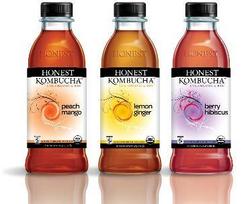
New York, NY (Vocus/PRWEB ) January 5, 2010 -- Liveliness is front and center of the brand design by Moxie TM, Inc. for Honest Beverage’s newest entry in the functional beverage market: Honest Kombucha. The beverage, an ancient Chinese tonic, which has purported health benefits, will come in three flavors: lemon ginger, peach mango and berry hibiscus, and will be available on shelves in Whole Foods nationally in January for an excusive 2-month period before distribution to other natural food markets.

Honest Kombucha Designed by Moxie TM
“The appeal of Kombucha is its healing properties; we had to strike the right balance between retaining the equities of the Honest brand while creating a design as unique as the product inside,” says Tammy Vaserstein, Creative, Principal, Moxie TM, Inc. To design the packaging graphics for the organic beverages, Moxie TM found inspiration in the product itself. Kombucha is unusual: it is sweet-sour, fermented, and acidic product. For centuries, the Chinese have claimed that it is a “fountain of youth elixir.” The drink contains live active probiotic cultures, with visible sediment in each bottle.
The design dials up the intrigue and energy promise of the product, drives home its spirited qualities, and differentiates it from the competitors. The main icon featured in the center of each bottle is a little wild, lively and what Vaserstein calls, “raw.” This reflects the product description on each bottle: “Live, Organic & Raw.” The white label strengthens the product’s “refreshing” qualities. Moxie TM used bright, vibrant colors for each SKU, to emphasize the energy of the product and provide contrast with the white label. As part of the Honest Beverage line, the design retains the Honest brandmark and the black bands at the top and bottom of the label thus connecting Honest Kombucha to other Honest products on shelf.
“We worked with Moxie TM to create a design that conveys the distinctive character of kombucha while still maintaining a connection to the Honest name,” says Seth Goldman, president and TeaEO, Honest Tea. “We hope that it attracts new consumers to the Kombucha shelf,” he adds.
Honest Kombucha is not only aimed at the natural foods customer who is already knowledgeable about kombucha drinks, but is designed to appeal to the cross-over customer who is looking for an alternative healthy drink and enjoys the quality and appeal of the Honest brand.
“We aimed to present this beverage as honestly delivering on its promise – the possibilities of energy, excitement and exuberance. A dynamic helix illustrates the raw energy found in the drink and communicates the power unleashed by kombucha. The clean, sans serif type that’s used for the flavor names shows that this product is edgy and modern,” says Vaserstein.
The products are on shelf in select Whole Foods markets and will be available nationally in January for an exclusive 2-month period before distribution to other natural food stores.
Moxie TM, Inc. (www.moxietm.com) is an international brand design and development firm with offices in New York and Miami.

稳定的攻击商标给出诚实红茶菌,一个古代中国保健品,现代的前卫品牌设计

纽约,纽约(Vocus的/新华美)2010年1月5日 - 活泼的车头和稳定的攻击商标品牌的设计中心,公司的诚信饮料最新加入的功能饮料市场:诚信红茶菌。饮料,一个古老的中药补品,这看来是健康的好处,有三种口味:柠檬姜,浆果和桃子芒果木槿,并将于1月在全国食品货架上全为excusive 2个月前发行期其他天然食品市场。

他说:“红茶菌的吸引力在于愈合伤口的特性,我们必须保持两者之间的诚信品牌的股票,同时创造一个适当的平衡为设计独特,内部产品,说:”塔米Vaserstein,创新,校长,稳定的攻击商标,公司

为了设计的有机饮料的包装图形,稳定的攻击商标发现产品本身的灵感。红茶菌是不寻常:它是甜,酸,发酵,和酸性的产品。几个世纪以来,中国都声称,这是一个青年灵药“喷泉”。酒后包含在每个瓶子可见沉积物益生菌文化生活活跃。

了阴谋和能源产品的承诺,表盘的设计,驱动器的精神品质,以及有别于竞争者。主要图标每个瓶子的中心功能有点野,活泼,什么Vaserstein电话,“原始。”这反映了每个瓶子产品描述:“现场,有机及原材料。”白色标签加强产品的“提神“素质。稳定的攻击商标用于每个SKU的明亮,鲜艳的色彩,强调产品的能源,并提供与白色标签的对比。作为诚信饮料线的一部分,设计保留了诚实brandmark并在顶部和诚实,从而连接到其他诚实红茶菌在货架上的产品标签底部的黑边。

“我们与稳定的攻击商标努力设计出一个可以表达了红茶菌独特性的同时仍保持连接到诚实的名字,”塞斯说高盛总裁和TeaEO,诚信茶。 “我们希望它吸引新的消费者的红茶菌货架,”他补充说。

诚实红茶菌,不仅是在天然食品的客户已经对谁是红茶菌饮料知识,而是为了呼吁跨越客户谁是寻找一种替代的健康饮料和享有的质量和诚信的品牌号召力。

“我们现在的目的是诚实履行承诺 - 能源,兴奋和热情的可能性提供了此饮料。一个充满活力的螺旋说明原材料能源在饮料中,沟通的红茶菌发动的权力。清洁,无衬线字体类型,对名称中使用的风味表明,该产品是前卫和现代,说:“Vaserstein。

这些产品在市场中选择全食架,将在1月全国独家为2个月前分配给其他天然食品商店时期。

稳定的攻击商标公司(www.moxietm.com)是一个国际品牌,设计和在纽约和迈阿密设有办事处,开发公司。

Moxie TM ให ซื่อสัตย์ Kombucha, โบราณ จีน โทนิค, Modern และ หงุดหงิด Brand Design

New York, NY (Vocus / PRWEB) 5 มกราคม 2010 - คึกคัก เป็น ด้านหน้า และ ศูนย์ การ ออกแบบ แบรนด์ โดย Moxie TM, Inc สำหรับ รายการ ใหม่ ล่าสุด ซื่อสัตย์ เครื่อง ดื่ม ใน ตลาด เครื่อง ดื่ม ฟังก์ชัน: ซื่อสัตย์ Kombucha. เครื่อง ดื่ม เป็น ยา ชู กำลัง จีน โบราณ ซึ่ง มี ประโยชน์ ต่อ สุขภาพ เจตนา จะ มา ใน สาม รสชาติ: ขิง มะนาว, ลูก พีช และ มะม่วง hibiscus ผล ไม้ เล็ก ๆ และ จะ อยู่ ใน ชั้น วาง ทั้งหมด อาหาร ประเทศ ใน เดือน มกราคม สำหรับ excusive 2 เดือน ก่อน ร้อยใน อื่น ๆ ตลาด อาหาร ธรรมชาติ.

"อุทธรณ์ ของ Kombucha มี คุณสมบัติ บำบัด มัน เรา ก็ ประสบ สมดุล ระหว่าง การ รักษา ส่วน ของ แบรนด์ ซื่อสัตย์ ระหว่าง การ สร้าง การ ออกแบบ เป็น พิเศษ เป็น ผลิตภัณฑ์ ภายใน" Tammy Vaserstein, Creative, หลัก, Moxie TM, Inc กล่าว ว่า

การ ออกแบบ กราฟิก บรรจุ ภัณฑ์ สำหรับ เครื่อง ดื่ม อินทรีย์ ที่ Moxie TM พบ แรง บันดาล ใจ ใน ผลิตภัณฑ์ ตัว. ผลิตภัณฑ์ Kombucha เป็น ปกติ มัน จะ หอม เปรี้ยว, ดอง และ กรด. สำหรับ ศตวรรษ จีน ได้ อ้าง ว่า เป็น น้ำพุ "ของ เยาวชน elixir. เครื่อง ดื่ม ที่ มี วัฒนธรรม probiotic อยู่ ใช้ งาน กับ ตะกอน ที่ มอง เห็น ได้ ใน แต่ละ ขวด.

Dials ออกแบบ ขึ้น วาง อุบาย และ สัญญา พลังงาน ของ ผลิตภัณฑ์ ได ร ฟ์ คุณภาพ บ้าน ยักษ์ มัน และ differentiates จาก คู่แข่ง. ไอ คอน หลัก ที่ อยู่ ใน ศูนย์กลาง ของ แต่ละ ขวด มี เพียง เล็กน้อย wild, มี ชีวิตชีวา และ สิ่ง Vaserstein สาย "สด." ซึ่ง สะท้อน ให้ เห็น ถึง ราย ละเอียด ใน แต่ละ ขวด: "Live, Organic & Raw. ป้าย ขาว แข็งแรง ของ ผลิตภัณฑ์ ที่ มี" ชีวิตชีวาคุณภาพ ". Moxie TM สดใส ใช้ สี สดใส สำหรับ แต่ละ SKU เพื่อ เน้น พลังงาน ของ ผลิตภัณฑ์ และ ให้ ความ คม ชัด ที่ มี ป้าย ข้อความ สี ขาว. เป็น ส่วน หนึ่ง ของ สาย ซื่อสัตย์ เครื่อง ดื่ม ออกแบบ สงวน brandmark ซื่อสัตย์ และ แถบ ดำ ที่ ด้าน บน และ ด้าน ล่าง ของ ป้าย กำกับ จึง ติดต่อ ซื่อสัตย์ Kombucha ผลิตภัณฑ์ ซื่อสัตย์ อื่น ๆ บน หิ้ง.

"เรา ทำงาน ร่วม กับ Moxie TM เพื่อ สร้าง การ ออกแบบ ที่ conveys ลักษณะ เด่น ของ kombucha ขณะ ที่ ยัง คง เชื่อม ต่อ ชื่อ ซื่อสัตย์" Seth Goldman ประธาน และ TeaEO, ซื่อสัตย์ ชา กล่าว. "เรา หวัง ว่า จะ ดึงดูด ผู้ บริโภค ใหม่ ใน หิ้ง Kombucha" เขา เพิ่ม.

ซื่อ สัตย์ Kombucha ไม่ มุ่ง เฉพาะ ที่ ลูกค้า อาหาร ธรรมชาติ ที่ มี อยู่ แล้ว ความ รู้ เกี่ยว กับ เครื่อง ดื่ม kombucha แต่ ถูก ออกแบบ มา เพื่อ สนใจ ข้าม แบบ มากกว่า ลูกค้า ที่ จะ มอง หา เครื่อง ดื่ม สุขภาพ ทดแทน และ enjoys คุณภาพ และ อุทธรณ์ ของ แบรนด์ ซื่อสัตย์.

"เรา มุ่ง นำ เสนอ เครื่อง ดื่ม นี้ เป็น สุจริต ส่ง ใน สัญญา - ความ เป็น ไป ได้ ของ พลังงาน ความ ตื่นเต้น และ ความ อุดม สมบูรณ์ ของ. ส่วน ที่ เป็น เกลียว พลวัต แสดง พลังงาน ดิบ ที่ พบ ใน เครื่อง ดื่ม และ สื่อสาร power unleashed โดย kombucha. สะอาด ประเภท serif, sans ที่ ใช้ ชื่อ รส แสดง ให้ เห็น ว่า ผลิตภัณฑ์ นี้ จะ หงุดหงิด และ ทันสมัย "Vaserstein กล่าว.

ผลิตภัณฑ์ ที่ อยู่ บน หิ้ง ใน การ เลือก ตลาด อาหาร ทั้งหมด และ จะ มี ประเทศ ใน เดือน มกราคม สำหรับ เฉพาะ 2 เดือน ก่อน ที่ จะ กระจาย ไป ยัง ร้าน อาหาร อื่น ๆ ธรรมชาติ.

Moxie TM, Inc (www.moxietm.com) คือ การ ออกแบบ ตรา สินค้า ระหว่าง ประเทศ และ บริษัท พัฒนา กับ สำนักงาน ใน นิวยอร์ก และ Miami.

Monday, January 4, 2010

Kombucha Tea 101 History, Benefits, Reviews & More

Hi you guys out there, Happy New Year. Got a chance to get away from my busy schedule and found this article from the net. It's posted by one Ms Lindsey Goodwin.

Hope you would find it beneficial. Happy reading.

Kombucha is a drink with mysterious origins, lots of health claims and a surge of available flavors. Read up on kombucha's history and benefits, plus check out reviews and how kombucha is made, below.

What is Kombucha?

Kombucha is generally considered to be a tea that has been mixed with sugar and fermented in a manner akin to the way vinegar is made. On its own, it has a taste that's similar to apple cider vinegar, so it is sometimes called "vinegar tea." For wider appeal, it is often blended with other ingredients, such as fruit juice or unfermented tea.

Kombucha's History

The exact origins of kombucha are unknown, but it has been consumed in areas like Siberia, Russia, China and Tibet for thousands of years. Although kombucha is considered to be fermented tea today in the West, it may have originated with bread as its base.

After ages of use in the East, kombucha began to make its way to the U.S. It started with home brewers who were primarily interested in its health benefits. In the 1990s, brewers such as GT Dave (of Synergy Millennium) began to offer kombuchas that were brewed in a more controlled (and, thus, safer and more effective) manner. Since 2000, many more kombucha companies have opened and kombucha has shifted from being seen as a "hippie drink" to a fairly mainstream beverage. It's now available in many grocery stores' health food sections, as well as some restaurants, cafes and convenience stores. Flavors range from those with mass appeal (citrus, mango and the like) to those with more limited appeal (red clover, juniper berry and other health-centric ingredients).

Kombucha & Health

There are all kinds of health claims about kombucha. It's heralded as everything from a cure for hangovers to a cure for cancer. While these claims are largely unresearched (and somewhat questionable), there are some claims that pop up more often than others. These include:

    * Liver stimulation/detoxification
    * Blood purification
    * Digestive stimulation/benefits
    * Weight management
    * Euphoria, or other mental and emotional benefits

However, there has been some concern expressed by medical professionals (including some at the Mayo Clinic) that home-brewed kombucha poses health risks when brewed improperly. If you plan to brew your own kombucha, be sure to sanitize your brewing equipment and be careful not to contaminate your brew.


How is Kombucha Made?

Kombucha starts with tea (usually black or green, but possibly other tea types or even tisanes) that has been mixed with sugar. It is exposed to something called a "zoogleal mat," which is a symbiotic colony of bacteria ("beneficial bacteria") and yeast, or a SCOBY. The zoogleal mat looks like a mushroom, so kombucha is sometimes called "mushroom tea."

After fermentation, kombucha contains a number of probiotic nutrients. It is typically effervescent. It has a low alcohol content.

Some home brewers and many kombucha companies blend kombucha with various flavors, which are usually infusions of tea, herbs and/or fruit, but sometimes also fruit juices and other ingredients. A few kombucha companies (such as Kombucha Wonder Drink) also pasteurize their kombucha to stop fermentation, reduce the alcohol level and (ideally) eliminate the chance of any harmful bacteria occurring in their brews.

Once again, if you plan to brew your own kombucha, be sure to sanitize your brewing equipment and be careful not to contaminate your brew.

Kombucha Reviews

Although flavors were very limited just ten years ago, there are now kombucha flavors to suit a range of palates. Check out this growing list of kombucha reviews to find the one that suits you best:

    * GT's Organic Raw Botanic No. 3 Kombucha has a milder, more floral flavor than other kombuchas. It contains "botanic" (herbal/fruit) ingredients of lavender and elderberry.
    * GT's Organic Raw Botanic No. 9 Kombucha has a more intense kombucha flavor that's best for seasoned kombucha drinkers.
    * Kombucha Wonder Drink Asian Pear & Ginger is Wonder Drink's most popular flavor. It has a mass appeal that soda drinkers will likely enjoy.
    * Kombucha Wonder Drink Green Tea & Lemon is a cheaper, canned version of their bottled Essence of Lemon flavor. As the name suggests, it tastes like sweetened green tea with lots of lemon.
    * Kombucha Wonder Drink Traditional keeps it simple. It's a sweet blend of oolong tea, kombucha and cane sugar.
    * Kombucha Wonder Drink Cherry Cassis is a newer flavor that will probably surpass Asian Pear & Ginger in popularity. It has a "wonderfully" rich, deep berry flavor.
    * Kombucha Wonder Drink Essence of Mango tastes a bit like a summer fruit salad with lots of lemon.
    * Kombucha Wonder Drink Juniper Berry, Spearmint Lemon Myrtle has an herbaceous flavor with less mass appeal than their other flavors.

红茶菌茶101历史,福利,评论及更多

在那里你们喜,新年快乐。有机会获得百忙中从我离开时,发现这个从网络文章。这是一张贴林赛女士古德温。

希望你会发现它是有益的。快乐的阅读。

红茶菌是一个神秘的起源,保健声称很多,可用饮料风味激增。阅读上红茶菌的历史和利益,加上签出审查和红茶菌是如何作出如下。

红茶菌是什么?

红茶菌被普遍认为是一个已经混合糖和方式类似于醋发酵茶的方式作出。就其本身而言,它的味道类似于苹果醋,所以有时也被称为“醋茶。”对于更大的吸引力,它经常与其他成分混合,例如果汁或不发酵茶。

红茶菌的历史

红茶菌确切的起源不详,但已如西伯利亚,俄罗斯,中国和西藏地区几千年来消费。虽然红茶菌被认为是发酵茶今天,西方国家,它可能起源于同为基地面包。

后在东方的使用年龄,红茶菌开始作出自己的方式向美国这与家庭主要是谁在保健福利感兴趣的酿酒商开始。在20世纪90年代,如GT戴夫(千年的协同)酿酒商开始提供一些在更容易控制(,因此,更安全,更有效的酿制kombuchas)的方式。自2000年以来,更多的红茶菌公司已经建立了与红茶菌已从被当作“嬉皮喝”到一个相当主流的饮料看到。它现在可以在很多杂货店的健康食品节,以及一些餐馆,咖啡馆和便利店。风味范围从与群众上诉(柑桔,芒果和那些等)与更多的吸引力有限(红三叶草,杜松子和其他健康为中心)的成分的。

红茶菌与健康

有大约红茶菌各种保健声称。这预示着从一个宿醉治疗对癌症的治疗一切。虽然这些索赔大多unresearched(而且有些问题),还有一些声称弹出往往比别人好。这些措施包括:

    
*肝刺激/解毒
    
*血液净化
    
*消化刺激/福利
    
*重量管理
    
*欣快,或其他精神和情感的利益

但是,已被(包括在梅奥诊所的一些医务人员表示有点担心),在家自酿红茶菌时自酿不当造成的健康风险。如果您计划酿造自己的红茶菌,一定要净化你的酿造设备和小心,不要污染你的啤酒。


红茶菌如何制造?

红茶菌茶开始(通常是黑色或绿色的,但可能其他茶叶种类,甚至tisanes)已与糖混合。这是暴露在一种叫做“zoogleal垫”,这是一种共生细菌菌落(“有益细菌”)和酵母,或SCOBY。在zoogleal垫看起来像一个蘑菇,所以红茶菌有时被称为“蘑菇茶。”

发酵后,红茶菌含有益生菌营养素数目。它通常泡腾。它具有低酒精含量。

有些家庭啤酒公司和许多红茶菌各种口味,通常茶,草药和/或水果红茶菌混合注射,但有时也果汁和其他成分。少数(如红茶菌神奇饮料)灭菌红茶菌公司也停止他们的红茶菌发酵,减少酒精浓度和(理想),消除他们的酿酒发生任何有害的细菌的机会。

再次,如果您打算酿造自己的红茶菌,一定要净化你的酿造设备和小心,不要污染你的啤酒。

红茶菌评论

虽然味道十分有限只是10年前,现在有红茶菌口味以适应不同的口味范围。检查这对红茶菌审查的行列,找到一个最适合你:

    
* GT的有机原料植物园3号红茶菌有一个温和,比其他kombuchas多花的味道。它包含“植物园”(草药/水果)配料薰衣草和接骨木。
    
* GT的有机原料植物园第9号红茶菌有更激烈的红茶菌味道,对经验丰富的红茶菌饮酒最好的。
    
*红茶菌神奇饮料亚洲梨和饮料,姜奇迹最流行的味道。它有一个群众呼吁,饮用碳酸饮料可能会享受。
    
*红茶菌神奇多喝绿茶和柠檬是一种廉价的,他们对柠檬味香精罐头瓶装版本。顾名思义,它的滋味甜与柠檬绿茶很多。
    
*红茶菌神奇饮料的传统保持简单。这是一个乌龙茶,红茶菌,蔗糖甜的结合。
    
*红茶菌神奇饮料樱桃卡西斯是一个较新的味道可能会超过亚洲流行梨和生姜。它有一个“奇妙”的丰富,深刻的浆果味。
    
*红茶菌奇迹芒果口味饮料的本质与像很多柠檬夏季水果沙拉位。
    
*红茶菌神奇饮料杜松子,薄荷柠檬默特尔已经少于其他口味的大众口味的草本植物的味道。

Kombucha ชา 101 ประวัติ ประโยชน์, คำ วิจารณ์ และ อื่น ๆ

Hi guys คุณ มี out, Happy New Year. มี โอกาส ที่ จะ ได้ จาก ตาราง เวลา ไม่ ว่าง ของ ฉัน และ พบ บทความ จาก net นี้. ก็ โพ ส ต์ โดย หนึ่ง นางสาว Lindsey Goodwin.

หวัง ว่า คุณ จะ พบ มัน ประโยชน์. อ่าน Happy.

Kombucha เป็น เครื่อง ดื่ม ที่ มี ต้น กำเนิด ลึกลับ, จำนวน มาก อ้าง สุขภาพ และ การ หลั่งไหล ของ รสชาติ มี. อ่าน บน kombucha ประวัติ และ ประโยชน์ รวม ทั้ง ตรวจ สอบ ความ เห็น และ วิธี kombucha จะ ทำ ด้าน ล่าง.

เป็น Kombucha อะไร

Kombucha ถือ ทั่วไป เป็น ชา ที่ ได้ รับ การ ผสม กับ น้ำตาล และ ดอง ใน ลักษณะ คล้าย กับ น้ำส้มสายชู ทาง จะ ทำ. ใน ของ ตนเอง แต่ ก็ มี รสชาติ ที่ คล้าย กับ แอ ป เปิ้ ล เหล้า แอปเปิล น้ำส้มสายชู จึง เรียก ว่า บาง ครั้ง ชา น้ำส้มสายชู "." สำหรับ การ อุทธรณ์ กว้าง ก็ มัก จะ ผสม กับ ส่วนผสม อื่น ๆ เช่น น้ำ ผล ไม้ หรือ ชา unfermented.

ประวัติ Kombucha ของ

กำเนิด ที่ แน่นอน ของ kombucha จะ ไม่ ทราบ แต่ มี การ บริโภค ใน พื้นที่ เช่น ไซบีเรีย รัสเซีย จีน และ ทิเบต ใน หลาย พัน ปี. แม้ว่า kombucha จะ ถือ เป็น ชา หมัก ดอง ใน วัน นี้ ตะวันตก ก็ อาจ จะ มา พร้อม กับ ขนมปัง เป็น พื้นฐาน ของ.

หลัง จาก ที่ มีอายุ การ ใช้ งาน ใน East, kombucha เริ่ม ทำ จะ มา ถึง สหรัฐอเมริกา ซึ่ง เริ่ม ต้น ด้วย brewers บ้าน ผู้ สนใจ ใน หลัก ประโยชน์ สุขภาพ ของ. ใน 1990s, brewers เช่น GT Dave (ของ Synergy Millennium) เริ่ม ให้ kombuchas ที่ brewed ใน เพิ่มเติม (ควบคุม และ จึง ปลอดภัย และ มี ประสิทธิภาพ มาก ขึ้น) ลักษณะ. ตั้งแต่ ปี 2000 หลาย บริษัท kombucha ได้ เปิด และ kombucha ได้ เลื่อน จาก เห็น เป็น เครื่อง ดื่ม ฮิปปี้ "เป็น เครื่อง ดื่ม หลัก ธรรม. ก็ สามารถ ใช้ได้ ใน ร้าน ค้า โช ห่วย มาก 'ส่วน อาหาร เพื่อ สุขภาพ เป็น บาง ร้าน คาเฟ่ และ ร้าน สะดวก ซื้อ. รส ชาติ ตั้งแต่ ผู้ ที่ มี ความ สนใจ มวล (ไม้ เช่น มะนาว มะม่วง และ ต้องการ) เพื่อ ผู้ ที่ มี ความ สนใจ จำกัด เพิ่มเติม (ไม้ จำพวก ถั่ว แดง ผล ไม้ เล็ก ๆ ต้นสน ชนิด หนึ่ง และ สุขภาพ อื่น ๆ ส่วนผสม ตรง กลาง).

Kombucha และ สุขภาพ

มี ทุก ชนิด อ้าง สุขภาพ เกี่ยว กับ kombucha เป็น. ก็ heralded เป็น ทุก อย่าง ตั้งแต่ รักษา hangovers ใน การ รักษา มะเร็ง. ขณะ ที่ อ้าง เหล่า นี้ unresearched ส่วน ใหญ่ (และ สงสัย บ้าง) มี สิทธิ เรียก ร้อง บาง อย่าง ที่ ปรากฏ ขึ้น บ่อย กว่า คน อื่น ๆ. เหล่า นี้ รวม ถึง:

    
* กระตุ้น ตับ / detoxification
    
* การ ฟอก เลือด
    
* กระตุ้น อาหาร / ผล ประโยชน์
    
* การ จัดการ น้ำหนัก
    
* ความ รู้ สึก สบาย หรือ ผล ประโยชน์ ทาง จิต และ ทาง อารมณ์ อื่น ๆ

แต่ มี การ แสดง ความ กังวล โดย ผู้เชี่ยวชาญ ด้าน การ แพทย์ (รวม ถึง บาง ส่วน ที่ Mayo คลินิก บาง) ที่ ที่่ กลั่น ใน บ้าน kombucha poses ความ เสี่ยง สุขภาพ brewed เมื่อ ไม่ ถูก ต้อง. ถ้า คุณ วางแผน ที่ จะ ก่อ kombucha ของ คุณ เอง โปรด sanitize อุปกรณ์ การ ต้ม เบียร์ และ ระมัดระวัง ไม่ ให้ ป น เปื้อน ของ ชง.


วิธี การ คือ Kombucha Made?

Kombucha เริ่ม ด้วย ชา (โดย ปกติ จะ เป็น สี ดำ หรือ สี เขียว แต่ อื่น ๆ อาจ ประเภท ชา หรือ tisanes) ที่ ได้ รับ การ ผสม กับ น้ำตาล. จะ พบเห็น สิ่ง ที่ เรียก ว่า เสื่อ zoogleal "," ซึ่ง เป็น ฝูง symbiotic ของ เชื้อ ยีสต์ ( "แบคทีเรีย ประโยชน์") และ หรือ SCOBY. เสื่อ zoogleal ดูเหมือน เห็ด ดังนั้น kombucha เป็น บาง ครั้ง เรียก ว่า "ชา เห็ด.

หลังจาก หมัก, kombucha มี จำนวน ของ สาร อาหาร probiotic. มี ชีวิตชีวา ปกติ. มี เนื้อหา แอลกอฮอล์ ต่ำ.

บาง brewers บ้าน และ kombucha บริษัท kombucha ผสมผสาน ด้วย หลาย รสชาติ ต่างๆ ซึ่ง มัก จะ infusions ชา สมุนไพร และ ผล ไม้ หรือ แต่ บาง ครั้ง ยัง juices ผล ไม้ และ ส่วนผสม อื่น ๆ. บริษัท kombucha น้อย (เช่น เครื่อง ดื่ม Kombucha สงสัย) ยัง pasteurize kombucha เพื่อ หยุด การ หมัก ลด ระดับ แอลกอฮอล์ และ (นึกคิด) ลด โอกาส ของ แบคทีเรีย ที่ เป็น อันตราย ใด ๆ เกิด ขึ้น ใน brews ตน.

อีก ครั้ง ถ้า คุณ วางแผน ที่ จะ ก่อ kombucha ของ คุณ เอง โปรด sanitize อุปกรณ์ การ ต้ม เบียร์ และ ระมัดระวัง ไม่ ให้ ป น เปื้อน ของ ชง.

บท วิจารณ์ Kombucha

แต่ รสชาติ ถูก จำกัด มาก เพียง สิบ ปี ที่ ผ่าน มา มี ตอน นี้ รสชาติ kombucha ให้ เหมาะสม กับ ช่วง ของ palates. ดู รายการ นี้ เติบโต ของ บท วิจารณ์ kombucha หา คน ที่ เหมาะสม กับ คุณ ดี ที่สุด:

    
* GT ของ Organic Raw Kombucha พฤกษชาติ ฉบับ ที่ 3 มี milder, รส ดอกไม้ มากกว่า kombuchas อื่น ๆ. มัน มี "พฤกษชาติ" (สมุนไพร / ผล ไม้) ส่วนผสม ของ ช่อ ลาเวนเดอร์ และ ต้น อู น.
    
* GT ของ Organic Raw Kombucha พฤกษชาติ ครั้ง ที่ 9 มี รส kombucha รุนแรง มาก ขึ้น ที่ ดี ที่สุด สำหรับ drinkers kombucha เก๋า.
    
* Kombucha สงสัย เครื่อง ดื่ม เอเชีย แพร์ และ ขิง เป็น รส ยอด นิยม ดื่ม สงสัย ของ. แต่ ก็ มี เรียก ร้อง มวล ที่ drinkers โซดา อาจ จะ สนุก.
    
* Kombucha สงสัย เครื่อง ดื่ม ชา เขียว และ มะนาว มี ราคา ถูก กว่า รุ่น กระป๋อง ของ เค้า ขวด ของ พวก เขา รส มะนาว. เป็น ชื่อ ที่ แนะนำ ก็ รสนิยม ชอบ ชา เขียว รส หวาน ที่ มี จำนวน มาก มะนาว.
    
* Kombucha สงสัย เครื่อง ดื่ม ดั้งเดิม ทำให้ มัน ง่าย. ก็ ผสมผสาน กัน หวาน ชา oolong, kombucha และ น้ำตาล ทราย.
    
* Kombucha สงสัย เครื่อง ดื่ม เชอ ร์ รี่ Cassis เป็น รสชาติ ใหม่ ที่ อาจ จะ เกิน Asian แพร์ และ ขิง ใน นิยม. แต่ ก็ มี "มหัศจรรย์" รวย รส ผล ไม้ เล็ก ๆ, ลึก.
    
* Kombucha เค้า ดื่ม สงสัย ของ มะม่วง รสนิยม bit เช่น สลัด ผล ไม้ ฤดู ร้อน ที่ มี จำนวน มาก มะนาว.
    
* Kombucha สงสัย ดื่ม ต้นสน ชนิด หนึ่ง เม็ด ไข, มิ น ต์ Myrtle มะนาว มี รส เป็น ต้นไม้ ที่ มี ความ สนใจ มวล น้อย กว่า รส อื่น ๆ ของ พวก เขา.


Sponsored Links

The Diet Solution Program!
A Comprehensive Weight Loss Program
Guarantees Increased Energy, Health And Vitality
http://www.thedietsolutionprogram.com

Spartan Health Regimen Program!
Amazing Hard-core Diet & Training Program!
Get Lean, Strong And Fit
http://www.spartanhealth.com

Crunch Cholesterol!
Safe, Natural Secrets For High Cholesterol
Secrets Found In Nature
http://getridofhighcholesterol.com